ACFT Score Calculation for National Guard & Reserve: A Comprehensive C…
페이지 정보

본문
As of 2026, the test has shown positive trends in soldier performance and readiness, despite facing challenges and criticisms. As the Army continues to prioritize physical fitness, the ACFT will play a vital role in shaping the future of soldier readiness and effectiveness on the battlefield. The Army's commitment to continuous improvement and adaptation will be crucial in ensuring the acft grading meets the evolving needs of its soldiers and the demands of modern warfare. The ACFT represents a transformative approach to physical fitness within the U.S. The ongoing evaluation and refinement of the ACFT will ultimately contribute to a stronger, more resilient Army capable of meeting the challenges of tomorrow.
Pilots must consider factors such as aircraft weight, wind conditions, and runway length when planning a landing. Descent performance involves the aircraft's ability to safely descend and land. Key metrics include the rate of descent, approach speed, and landing distance. Understanding landing performance is crucial for ensuring a safe touchdown and minimizing the risk of overruns or accidents.
This tool is especially useful for soldiers who want to track their progress over time or assess their readiness for upcoming evaluations. By inputting the number of push-ups, sit-ups, and the run time, the calculator automatically computes the total score. The Army PT score calculator is a valuable tool that simplifies the process of calculating a soldier's APFT score.
For example, a soldier's score for push-ups and sit-ups is determined by the number of repetitions performed within the two-minute time limit. The Army provides a scoring chart that outlines the points awarded for different performance levels in each event. The run score is based on the time taken to complete the 2-mile distance.
Finally, the landing phase occurs when the aircraft touches down on the runway. Effective management of landing sequences by air traffic control can help minimize delays and improve overall efficiency. This phase includes the time taken to decelerate and taxi to the gate. Similar to taxiing, landing times can vary based on runway conditions, traffic, and the aircraft's weight.
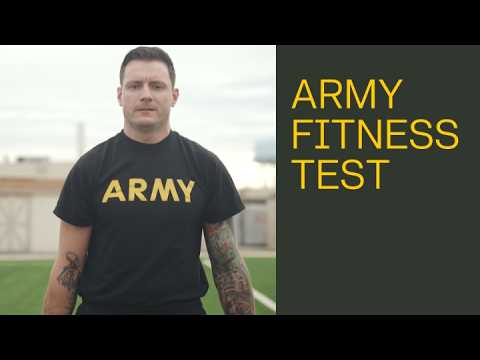
The scoring system for the ACFT is based on a point scale, with soldiers earning points for their performance in each event. The scoring system is gender and age-neutral, which aims to provide a level playing field for all soldiers. To achieve a passing score, soldiers must accumulate a minimum of 60 points in each event, with a total score of at least 360 points out of a possible 600. In 2026, the Army has implemented further refinements to the scoring system based on feedback and data collected since the test's inception.
Utilizing Technology: Leveraging technology, such as fitness apps and online training platforms, can provide soldiers with additional resources to track their progress and access workout plans tailored to the ACFT.
 The Army PT score calculator is an essential tool for soldiers aiming to maintain and improve their physical fitness. Understanding how to effectively use the calculator can lead to better training outcomes, enhanced military readiness, and overall improved health. By simplifying the scoring process and providing immediate feedback on performance, it empowers soldiers to take charge of their fitness journey. As soldiers strive to meet and exceed the Army's physical fitness standards, the calculator serves as a reliable companion in their pursuit of excellence.
 Reducing aircraft run time is one approach to achieving this goal, as shorter flight times can lead to lower fuel consumption and reduced greenhouse gas emissions. Moreover, the growing emphasis on sustainability in aviation has prompted airlines to seek ways to minimize their environmental impact. Innovations in aircraft design, such as the development of more fuel-efficient engines and lighter materials, are also contributing to improved performance and reduced run times.
It is essential to ensure that the chest touches the ground and that hands are fully released before pushing back up. Inadequate Range of Motion: Some individuals may not lower their chest fully to the ground or may perform the hand release incorrectly. Practicing with a focus on full range of motion can help improve this aspect. This can be due to a lack of strength or flexibility.
For instance, at busy airports, aircraft may experience extended taxi times due to air traffic, leading to increased fuel consumption and longer overall run times. This phase can vary significantly based on airport layout, traffic congestion, and weather conditions. Taxiing is the initial phase of run time, starting when the aircraft leaves the gate and ending when it reaches the runway for takeoff. Efficient airport design and management can help mitigate these delays, emphasizing the importance of optimizing taxiway layouts and implementing advanced ground control technologies.
Takeoff performance is a critical parameter that determines an aircraft's ability to become airborne safely. Pilots must calculate the required takeoff distance to ensure that the aircraft can safely lift off within the available runway length. It is influenced by the aircraft's weight, engine thrust, runway length, and environmental conditions such as temperature and altitude.
Pilots must consider factors such as aircraft weight, wind conditions, and runway length when planning a landing. Descent performance involves the aircraft's ability to safely descend and land. Key metrics include the rate of descent, approach speed, and landing distance. Understanding landing performance is crucial for ensuring a safe touchdown and minimizing the risk of overruns or accidents.
This tool is especially useful for soldiers who want to track their progress over time or assess their readiness for upcoming evaluations. By inputting the number of push-ups, sit-ups, and the run time, the calculator automatically computes the total score. The Army PT score calculator is a valuable tool that simplifies the process of calculating a soldier's APFT score.
For example, a soldier's score for push-ups and sit-ups is determined by the number of repetitions performed within the two-minute time limit. The Army provides a scoring chart that outlines the points awarded for different performance levels in each event. The run score is based on the time taken to complete the 2-mile distance.
Finally, the landing phase occurs when the aircraft touches down on the runway. Effective management of landing sequences by air traffic control can help minimize delays and improve overall efficiency. This phase includes the time taken to decelerate and taxi to the gate. Similar to taxiing, landing times can vary based on runway conditions, traffic, and the aircraft's weight.
The scoring system for the ACFT is based on a point scale, with soldiers earning points for their performance in each event. The scoring system is gender and age-neutral, which aims to provide a level playing field for all soldiers. To achieve a passing score, soldiers must accumulate a minimum of 60 points in each event, with a total score of at least 360 points out of a possible 600. In 2026, the Army has implemented further refinements to the scoring system based on feedback and data collected since the test's inception.
Utilizing Technology: Leveraging technology, such as fitness apps and online training platforms, can provide soldiers with additional resources to track their progress and access workout plans tailored to the ACFT.
The Army PT score calculator is an essential tool for soldiers aiming to maintain and improve their physical fitness. Understanding how to effectively use the calculator can lead to better training outcomes, enhanced military readiness, and overall improved health. By simplifying the scoring process and providing immediate feedback on performance, it empowers soldiers to take charge of their fitness journey. As soldiers strive to meet and exceed the Army's physical fitness standards, the calculator serves as a reliable companion in their pursuit of excellence.Reducing aircraft run time is one approach to achieving this goal, as shorter flight times can lead to lower fuel consumption and reduced greenhouse gas emissions. Moreover, the growing emphasis on sustainability in aviation has prompted airlines to seek ways to minimize their environmental impact. Innovations in aircraft design, such as the development of more fuel-efficient engines and lighter materials, are also contributing to improved performance and reduced run times.It is essential to ensure that the chest touches the ground and that hands are fully released before pushing back up. Inadequate Range of Motion: Some individuals may not lower their chest fully to the ground or may perform the hand release incorrectly. Practicing with a focus on full range of motion can help improve this aspect. This can be due to a lack of strength or flexibility.
For instance, at busy airports, aircraft may experience extended taxi times due to air traffic, leading to increased fuel consumption and longer overall run times. This phase can vary significantly based on airport layout, traffic congestion, and weather conditions. Taxiing is the initial phase of run time, starting when the aircraft leaves the gate and ending when it reaches the runway for takeoff. Efficient airport design and management can help mitigate these delays, emphasizing the importance of optimizing taxiway layouts and implementing advanced ground control technologies.
Takeoff performance is a critical parameter that determines an aircraft's ability to become airborne safely. Pilots must calculate the required takeoff distance to ensure that the aircraft can safely lift off within the available runway length. It is influenced by the aircraft's weight, engine thrust, runway length, and environmental conditions such as temperature and altitude.
- 이전글비아그라 정품 가격대는 어느 정도인가요? 26.09.17
- 다음글비아그라 구매, 가격보다 중요한 것은 무엇일까? 26.09.17
댓글목록
등록된 댓글이 없습니다.